The End of Fast Fashion Eyewear
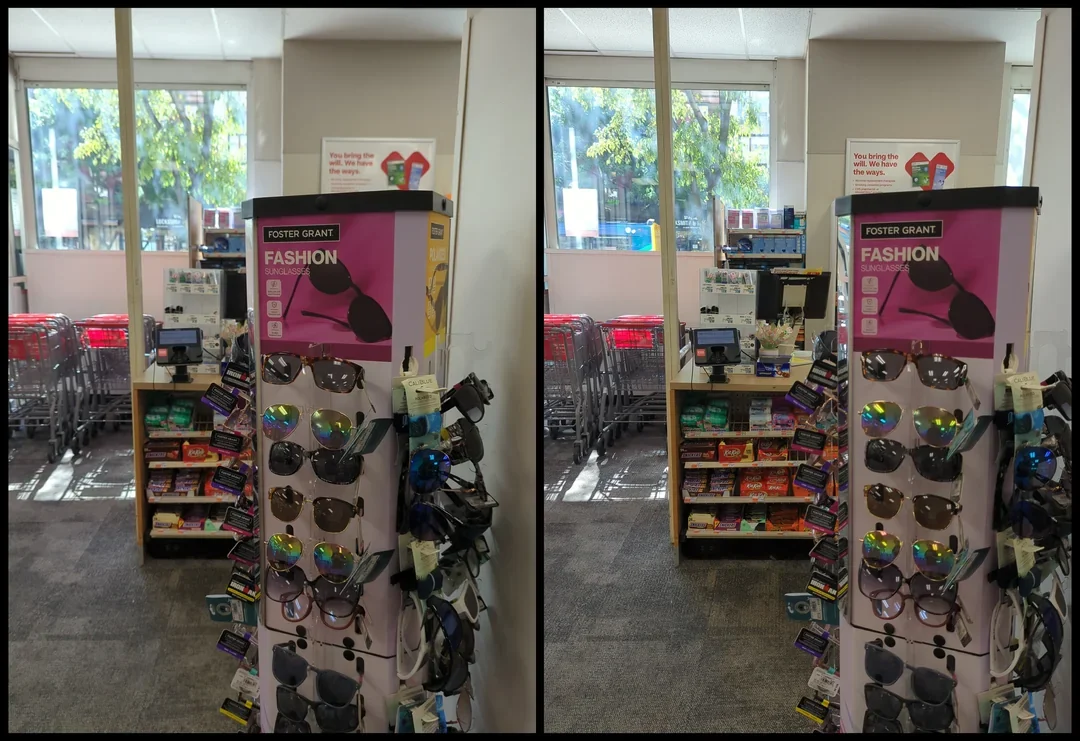
Eyewear in a CVS
For years, eyewear followed the rhythm of fast fashion. Frames were released in rapid succession, silhouettes copied and compressed into lower price points, trends diluted before they could fully mature. Glasses became seasonal novelties rather than lasting instruments. The industry optimized for speed. Volume eclipsed vision.
But something is shifting.
The modern consumer, more literate in design and more skeptical of excess, has begun to question the cycle. Why should something that sits at the center of the face, that shapes both perception and identity, be treated as disposable? Why should optical craftsmanship mirror the churn of trend culture?
Fast fashion eyewear thrived on immediacy. Lightweight plastics, trend-driven proportions, accelerated production timelines. A dozen styles released at once, each echoing what had already proven profitable elsewhere. The model rewarded replication. It did not reward refinement.
Yet eyewear is not a garment that can be easily relegated to the back of a closet. It is structural. It frames expression. It intersects with health. It requires engineering. The face does not tolerate compromise as easily as the body might.
As sustainability conversations deepen, scrutiny has expanded beyond fabrics and footwear. Acetate quality, hinge durability, lens precision and optical coatings have entered the discussion. Consumers are beginning to understand that thin margins often mean thinner materials. That rapid production cycles rarely allow for thoughtful proportion or rigorous testing.
Design literacy is also evolving. Social media, once an accelerant for micro-trends, has paradoxically educated its audience. Side-by-side comparisons reveal subtleties in bridge height, temple taper, and lens depth. The language of architecture and industrial design has seeped into fashion discourse. Proportion is no longer incidental. It is analyzed.
In response, a quieter movement has emerged. Brands are releasing fewer styles. Materials are being specified with greater transparency. Production runs are smaller, sometimes made to order. Frames are positioned less as trend artifacts and more as considered objects. The emphasis has shifted from novelty to longevity.
This is not nostalgia for heritage houses alone. It is a broader recalibration. Technology has entered the conversation not as spectacle but as infrastructure. Digitally cut lenses, precision milling, and material innovation are being framed as value propositions rather than marketing embellishments. Performance is becoming aesthetic.
The end of fast fashion eyewear does not imply the disappearance of accessible price points. It signals the decline of thoughtless abundance. Consumers may still experiment, but they are increasingly aware of what constitutes structural integrity. They are asking how a frame is built, not only how it looks.
There is also a psychological dimension. In an era defined by digital acceleration, permanence carries new appeal. Objects that are engineered with intention offer a counterpoint to the scroll. A well-balanced frame, worn daily, accrues meaning. It becomes associated with work accomplished, conversations held, years marked.
Perhaps this is the quiet revolution within optical design. Not louder campaigns or more aggressive drops, but restraint. Fewer releases. Better materials. Slower cycles. Frames designed with an understanding that they will live at eye level, close to the architecture of identity.
Fast fashion promised immediacy. The next era of eyewear may promise something rarer: durability of form, clarity of purpose, and the confidence that what rests on the face was not rushed into existence.
