How Gen Z is Redefining Optical Aesthetics
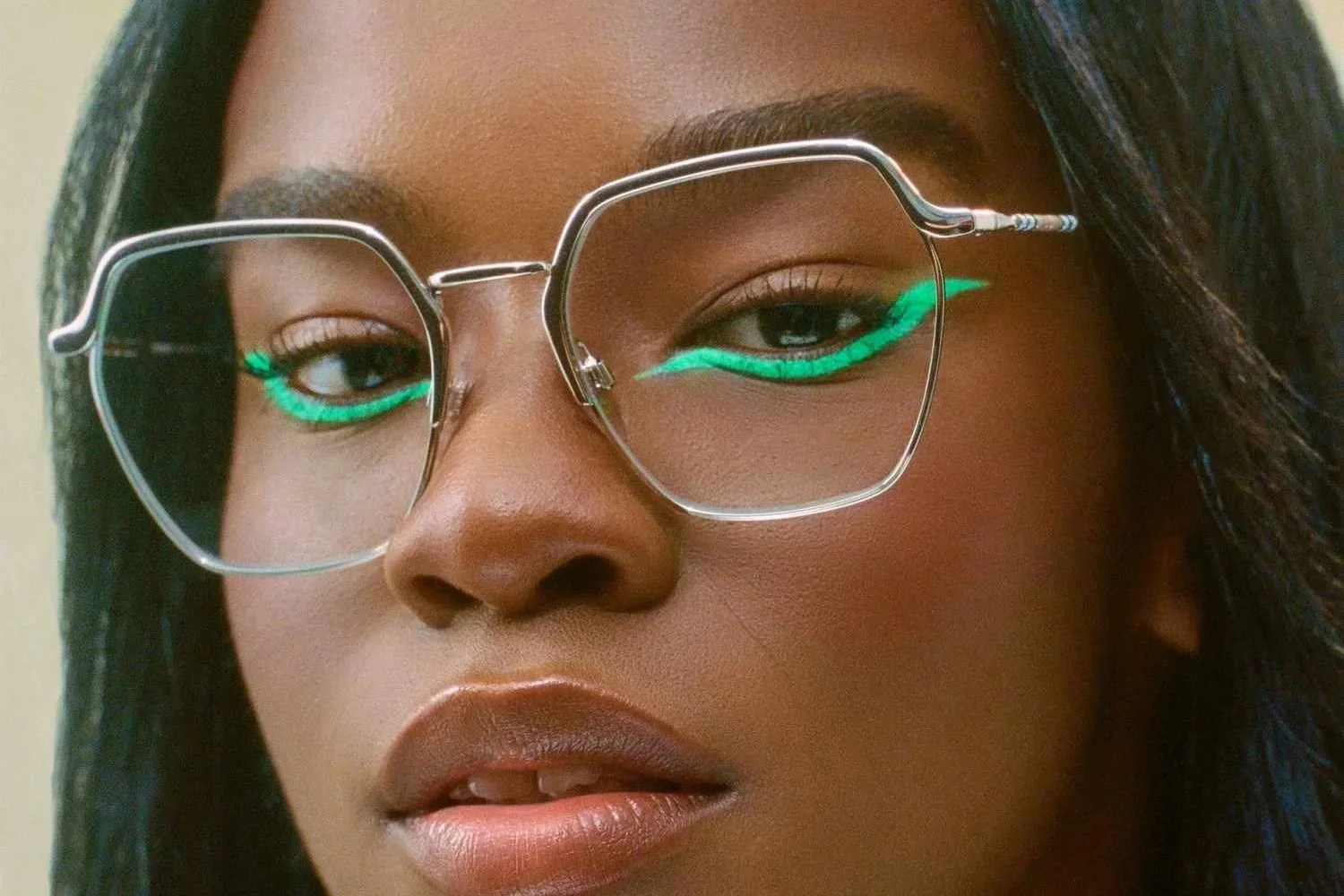
Frames made popular online though social media
For much of the late twentieth century, eyewear occupied a narrow lane. It was corrective, occasionally expressive, but rarely central to one’s identity. Frames were chosen to flatter, to blend, or at most to suggest a profession. Optical was practical. Style lived elsewhere.
Generation Z has unsettled that hierarchy.
To understand the shift, one must first recognize that Gen Z came of age in a fully mediated world. The front-facing camera is not an accessory but an environment. The face, framed daily in grids and stories and video calls, has become both canvas and interface. In this landscape, eyewear is no longer peripheral. It is architecture. Eyewear has become a trend, they’re no longer just a pair of frames. They’re part of one’s identity. And this can be seen in the type of lens that have become popular online. Best selling frames on online platforms like Zeelool look performative. They’re larger, bolder than what is sold in traditional store fronts in New York City.
Unlike previous generations, Gen Z does not approach glasses solely as a solution to poor vision. Non-prescription lenses, blue light filters, and lightly tinted optics are worn as stylistic decisions. The binary between necessity and fashion has dissolved. A frame may correct eyesight, signal taste, or simply complete a digital persona. Often, it does all three.
Aesthetically, the movement is not uniform. It oscillates between extremes. On one end, micro rectangles and narrow ovals evoke early 2000s minimalism, refracted through contemporary irony. On the other, oversized acetate squares assert themselves with deliberate boldness. Proportion is experimental. Nostalgia is reengineered.
But beneath the surface, there is a more structural change underway. Gen Z is unusually fluent in visual analysis. Years of scrolling have trained the eye. Details that once passed unnoticed, bridge width, lens height, temple thickness, are dissected in comments and close-ups. Frames are evaluated not only on trend relevance but on balance and coherence.
There is also a recalibration of value. Having witnessed the environmental and ethical costs of fast fashion, many young consumers approach purchasing with heightened scrutiny. They ask about materials. They question production timelines. They are attuned to the difference between injection-molded plastic and premium acetate, between generic lenses and digitally surfaced precision optics.
Transparency has become aesthetic in itself.
At the same time, Gen Z resists rigidity. The idea that certain frames belong to certain professions or ages feels antiquated. A thin wire oval may be paired with streetwear. A chunky square may accompany tailored minimalism. Optical codes have been decoupled from occupational identity. Glasses are not a costume; they are a variable.
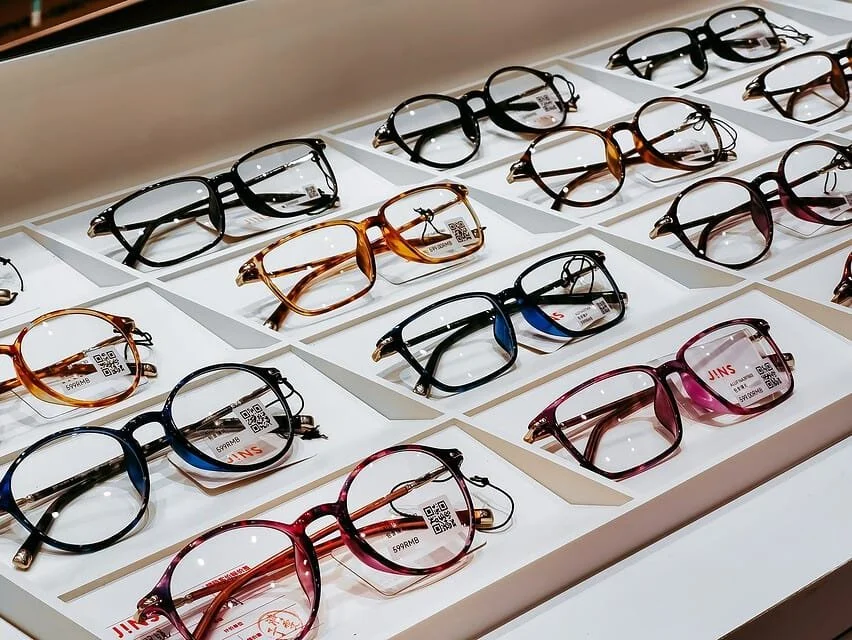
Frames popular in Eyewear stores in Brooklyn, NY
Technology further complicates the picture. Virtual try-on tools, algorithmic recommendations, and augmented reality filters have normalized the idea that eyewear can be iterated before it is purchased. The process is interactive, almost architectural. Consumers test ratios against their own features in real time. Fit is no longer left to chance.
This generation also treats personal branding as an ongoing project. Eyewear becomes a modular component within that system. A single individual may rotate between a barely-there titanium frame for work, a tinted rimless pair for evenings, and a structured acetate silhouette for content creation. Consistency yields to versatility.
Yet for all its fluidity, Gen Z’s optical aesthetic shares a common thread: intention. Even irony is calculated. The revival of Y2K shapes is less about blind nostalgia than about recontextualization. A narrow rectangle is not worn because it is trending; it is worn because it conveys a particular energy, sharp, ironic, self-aware.
In this sense, Gen Z is not merely following optical trends. It is reframing them. The generation’s comfort with technology, its fluency in visual culture, and its skepticism of disposability have converged to produce a new standard. Eyewear must perform. It must photograph well. It must align with identity. It must justify its presence on the face.
What emerges is a more demanding consumer and, potentially, a more disciplined industry. Brands can no longer rely on volume alone. They must consider proportion, material integrity, and narrative coherence. They must design for a viewer who will examine the hinge as closely as the silhouette.
Gen Z has made optical visible in a way it has not been before. Glasses are no longer quiet accompaniments to style. They are declarative objects, engineered statements worn at eye level.
In redefining optical aesthetics, this generation has done more than revive old shapes or popularize new ones. It has insisted that eyewear carry meaning, clarity, and design intelligence equal to the world it inhabits.
