The Rise of Quiet Luxury in Optical
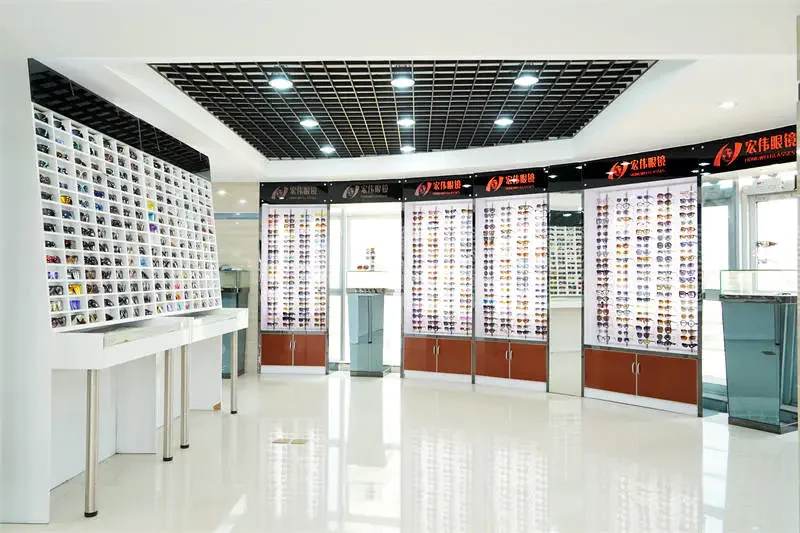
Image: Optical store display in China
In an era saturated with logos and limited drops, the most conspicuous signal of status may be restraint. Quite luxury is a lifestyle characterized by elegance, aesthetic, and premium material without the bold logo and ostentatious branding. Across fashion, architecture, and technology, a recalibration is underway. Excess has ceded ground to intention. The rise of quite luxury has rose with the increasing presence of social media in the lives of everyday people. In eyewear, this shift has given rise to what might be called quiet luxury, a philosophy less concerned with spectacle than with substance with brands like Warby Parker and Moscot becoming more popular. In major cities, smaller brands like Tokyo U are becoming recognized as well demonstrating the change in fashion preferences among the younger generation.
Having items labeled as luxury was often seen as a sign of wealth. For decades, optical oscillated between two poles. On one end, utilitarian frames designed to disappear. Handcrafted frames were outcompeted by large scale manufactured goods. On the other, bold designer pieces that declared their lineage with visible branding and dramatic silhouettes. Quiet luxury occupies a third space, a new space, one which neither hides nor shouts. It displays the elegance of luxury
At its core, quiet luxury in optical is about material integrity. Premium acetate with depth and subtle translucence. Titanium alloys that feel nearly weightless yet structurally resolute. Hinges engineered for longevity rather than ornament. The luxury is not announced; it is felt in the hand, perceived in the balance on the face.
Proportion becomes paramount. The line of the brow is measured. The bridge width calibrated. The lens height chosen not to exaggerate but to harmonize. These decisions may seem minute, yet they distinguish a considered frame from a generic one. Quiet luxury depends on the confidence that refinement will be recognized, even if only subconsciously.
There is also a cultural undercurrent at play. In a world of constant digital exposure, overt branding can feel performative. The new affluence favors discretion. It signals knowledge rather than visibility. To wear a minimally marked, impeccably constructed frame is to suggest familiarity with craft, not merely consumption.
Technology has subtly supported this movement. Advances in lens manufacturing allow for thinner profiles and more precise optical correction. Anti-reflective coatings reduce glare in video calls. High-index materials preserve elegance even at stronger prescriptions. Performance enables minimalism; without technical sophistication, the aesthetic would collapse.
Yet quiet luxury is not an aesthetic of austerity alone. It is deeply experiential. The sensation of a well-balanced frame resting lightly across the nose. The absence of creaking hinges. The clarity of lenses that seem to vanish at the edge. These are forms of indulgence that resist spectacle.
The appeal also lies in longevity. A quietly luxurious frame is not bound to a season. Its relevance endures because it is anchored in proportion and quality rather than trend. In this way, it aligns with broader shifts away from disposability. Investment replaces impulse.
Notably, quiet luxury in optical does not equate to uniformity. Within its restrained palette, nuance thrives. A matte finish instead of gloss. A softly rounded corner instead of a sharp angle. A subtle gradient tint that catches light without dominating. These details reward attention.
The rise of this aesthetic suggests a maturation of consumer taste. Buyers are more literate in materials and construction. They inquire about acetate origins, hinge mechanisms, and lens coatings. They understand that true luxury often resides where marketing is silent.
In optical, perhaps more than in other categories, this shift feels inevitable. Glasses occupy a unique position, perched at eye level, framing expression. They are worn daily, seen in every meeting and mirror. To choose quiet luxury is to embrace a form of design that integrates seamlessly into life rather than competing with it.
Ultimately, the rise of quiet luxury in optical reflects a broader desire for clarity among the Gen z demographics. They prefer better materials, and branding they connect with on a personal level. It is a reminder that refinement, when executed with discipline, can be as powerful as declaration.
